Introduction
In the world of construction, choices regarding materials can profoundly impact not only the integrity and aesthetics of a structure but also its environmental footprint. Among various options available, timber has stood the test of time as a reliable and versatile building material. This article dives deep into one specific category of timber: softwood timber. Known for its numerous benefits, softwood is increasingly becoming a favored choice among architects, builders, and homeowners alike.
Why should one consider softwood over other options like hardwood? What are its unique features that make it suitable for diverse applications in construction? In this comprehensive guide, we will explore these questions and more.
The Basics: What is Softwood Timber?
Softwood timber Timber Wholesale is derived from coniferous trees—those that produce cones and needles rather than broad leaves. Common examples include pine, spruce, and cedar. Unlike hardwood timber that comes from deciduous trees, softwoods tend to grow faster and are usually lighter in weight.
Characteristics of Softwood Timber
Growth Rate: Softwoods grow rapidly compared to hardwoods, allowing for quicker harvesting. Density: Typically lighter than hardwoods, making them easier to work with. Cost-Effectiveness: Generally less expensive than hardwood due to faster growth rates. Versatility: Used in various applications ranging from structural framing to furniture.Common Types of Softwood Timber
- Pine: Widely used for construction due to its availability and affordability. Spruce: Known for its strength-to-weight ratio, making it ideal for beams and trusses. Cedar: Highly resistant to moisture and decay, often used in outdoor applications.
Exploring the Benefits of Softwood Timber in Construction
When considering materials for construction projects, softwood timber presents a myriad of advantages. Here’s why many professionals advocate for its use:
1. Sustainability Factor
One of the pressing concerns today is sustainability. As we grapple with climate change issues, choosing sustainable materials becomes paramount.
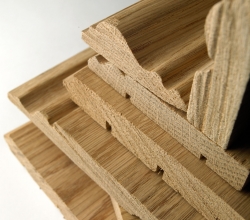
Renewable Resource
Softwood trees grow much quicker than hardwoods; thus, they can be replenished efficiently through responsible forestry practices.
Carbon Sequestration
Trees absorb CO2 during their growth cycle; hence using timber helps reduce atmospheric carbon levels.
2. Cost-Efficiency
Cost considerations play a critical role in construction projects.
Affordability
Softwood timber generally costs less per board foot than hardwood alternatives. This makes it an attractive option for budget-conscious builders or homeowners.
Lower Transportation Costs
Due to its lightweight nature, transporting softwood is often cheaper compared to heavier hardwoods.
3. Versatility in Applications
Softwood's versatility cannot be overstated.
Structural Uses
From studs to beams and joists, softwoods are commonly used in framing buildings.
Non-Structural Uses
They can also be utilized in cabinetry, flooring, and decorative elements due to their aesthetic appeal.
4. Ease of Workability
For builders and carpenters alike, softwoods offer multiple advantages when it comes to handling these materials on-site.
Machinability
Softwoods are easier to cut and shape compared to hardwoods due to their softer texture.
Nail Holding Capacity
Many types of softwoods have excellent nail-holding properties which enhance structural integrity during assembly.
5. Aesthetic Qualities
While functionality is key in construction materials, aesthetics shouldn't be overlooked either!
Natural Grain Patterns
Softwoods possess beautiful grain patterns that can add character to any space without requiring extensive finishing work.
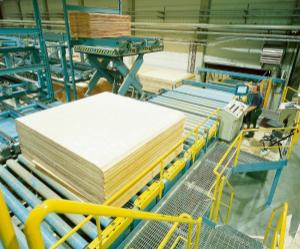
Stain Absorption
Softwoods readily absorb stains and finishes better than some hardwoods; thus allowing for flexibility in design choices.
Comparison with Hardwood Timber
Understanding how softwood compares with hardwood can give clarity on where each type excels or falls short:
| Feature | Softwood Timber | Hardwood Timber | |-------------------|-------------------------|------------------------| | Growth Rate | Faster | Slower | | Cost | Generally lower | Generally higher | | Density | Lighter | Denser | | Applications | Structural & non-structural | Primarily furniture & flooring | | Sustainability | Highly renewable | Less renewable |
Applications of Softwood Timber in Construction Projects
Softwood timber finds utilization across various segments within the construction industry:
1. Residential Buildings
Softwoods are frequently employed in building homes due to their affordable pricing coupled with good thermal insulation properties.
2. Commercial Structures
From offices to retail spaces, many commercial buildings utilize softwoods because they provide an excellent balance between cost-efficiency and aesthetic appeal.
3. Outdoor Structures
Materials like cedar are popular choices for decks or patios owing to their resistance against moisture and insects.
FAQ Section
Question 1: Why choose softwood over hardwood?
Choosing softwood typically boils down to cost-effectiveness, ease of workability, speedier growth rates making them more sustainable over time compared with hardwood alternatives.
Question 2: Is softwood durable enough for structural purposes?
Absolutely! Many species such as Douglas Fir or Southern Yellow Pine exhibit remarkable strength-to-weight ratios suitable even for heavy-duty applications like framing houses!
Question 3: How does weather affect softwood?
While some types may be susceptible if left untreated (e.g., prone rotting), proper sealing or using naturally durable species (like cedar) ensures longevity even outdoors!
Question 4: Can I use softwood indoors?
Yes! From cabinetry designs right down flooring options – there’s plenty you can achieve aesthetically while enjoying functional benefits too!
Question 5: Where can I buy quality softwood at wholesale prices?
Timber wholesale suppliers provide opportunities obtaining high-quality products directly at competitive rates; browsing local listings online should yield results tailored uniquely towards your needs!
Question 6: Are there any downsides associated with using softwoods?
Some disadvantages may include vulnerability towards pest infestations without treatments alongside potential warping if moisture levels fluctuate excessively during seasons changing drastically throughout year-round cycles!
Conclusion
In summary, exploring the benefits of softwood timber in construction reveals a wealth of advantages ranging from sustainability factors all the way through diverse applications across both residential/commercial contexts alike! With increasing awareness around eco-friendly building practices paired alongside cost savings associated with utilizing readily accessible resources available via reputable timber wholesalers—softwoods remain an undeniable player within modern-day architectural endeavors shaping our environments today!
By opting into this versatile material choice one isn’t just investing financially but socially too—contributing positively towards sustainable development goals essential not only locally but globally as well!